


You’ve probably seen the word “rebate” plastered across ads for everything from cars to credit cards to home appliances — but a surprising number of people aren’t totally sure how a rebate actually works, or why it’s different from a regular discount. Here’s a clear breakdown.
What Is a Rebate?
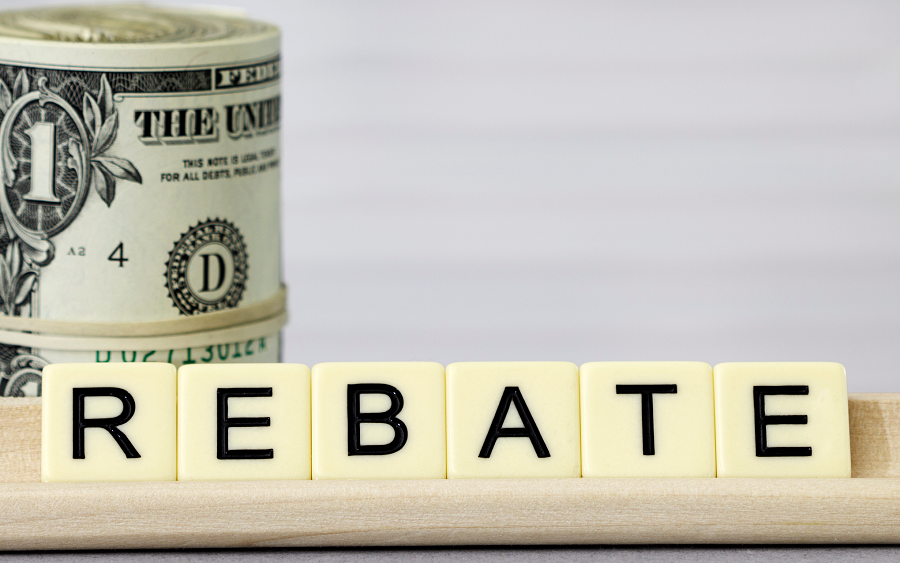
A rebate is a partial refund given to a buyer after a purchase has already been completed, usually as an incentive to encourage that purchase in the first place. Unlike a discount, which reduces the price at checkout, a rebate is paid back to the buyer after the transaction — often requiring the buyer to submit a claim, receipt, or form before the money is returned.
In short: you pay full price upfront, then get part of that money back later, either as a check, prepaid card, direct deposit, or account credit, depending on how the rebate program is structured.
Rebate vs. Discount: What’s the Difference?
This is where a lot of confusion comes from. Here’s the simple distinction:
- Discount: Reduces the price at the time of purchase. You simply pay less.
- Rebate: You pay the full price first, then get money back afterward, usually through a separate claim process.
Retailers often prefer rebates over discounts because a portion of buyers never actually complete the rebate claim process — meaning the company doesn’t have to pay out the full advertised savings to every customer, even though the marketing highlights the full discounted price.
Common Types of Rebates
- Mail-in rebates: You purchase a product, then mail in a form, receipt, and sometimes a UPC code to receive a refund check.
- Instant rebates: Rarer, but these apply automatically at checkout, functioning more like a discount.
- Manufacturer rebates: Offered directly by the product’s manufacturer rather than the retailer, common with electronics, appliances, and car purchases.
- Utility and energy rebates: Governments or utility companies often offer rebates for energy-efficient upgrades, like solar panels, insulation, or efficient appliances.
- Cashback and credit card rebates: A percentage of your spending is returned to you, either as statement credit or cash, functioning similarly to a rebate structure.
- Tax rebates: Refunds issued by a government after determining a taxpayer overpaid, or as part of a broader stimulus or relief program.
How to Actually Claim a Rebate
Rebates are notorious for having low claim rates, mostly because the process can be tedious. To make sure you actually get your money:

- Keep your receipt. Most rebate forms require proof of purchase.
- Read the fine print immediately. Rebates often have strict deadlines — sometimes as short as 30 days from purchase.
- Fill out the form completely and accurately. Missing information is one of the most common reasons rebate claims get rejected.
- Make copies before submitting. If you’re mailing in a physical form, keep a copy of everything you send in case of disputes.
- Track your submission. Note the date you submitted your claim, and follow up if you haven’t received payment within the stated timeframe (often 6–12 weeks).
Why Rebates Exist
From a business perspective, rebates serve a few strategic purposes:
- They make a product look cheaper in advertising without actually lowering the listed price.
- They collect customer data through the redemption process.
- They rely on “rebate slippage” — the percentage of buyers who never complete the claim — to reduce the actual cost of the promotion to the company.
For consumers, rebates can still be a legitimate way to save money, as long as you’re organized enough to follow through on the claim process.
Bottom Line
A rebate is money paid back to you after a purchase, not a discount applied upfront — and the difference matters because rebates require action on your part to actually receive the savings. If you keep your receipt, meet the deadline, and fill out the form correctly, a rebate can be a genuinely useful way to reduce the cost of a purchase after the fact